◄Back
Umbria
Overview
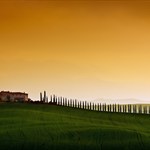
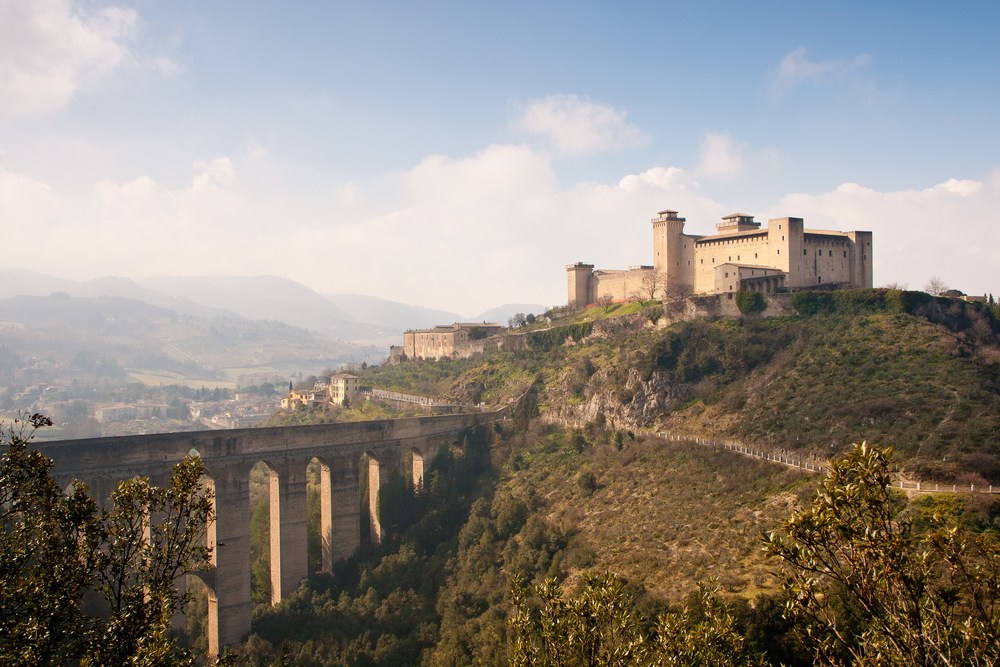
Often called ‘the green heart of Italy’, much of the region of Umbria is unspoiled and it is considered to be a quieter and more rustic alternative to Tuscany with a quite similar array of properties, including castles, hamlets and luxury countryside villas with pools. Located in the centre of the peninsula and landlocked by the neighbouring regions of Lazio, Tuscany and Le Marche, Umbria is recognizable by its quaint medieval hilltowns and undulating hills covered with olive groves and vineyards.
Umbria was named after the Umbrii tribe, thought to be the oldest in Italy, who settled in the area over 3000 years ago. However it was the Etruscans who founded the main cities of Perugia and Orvieto before being conquered by the Romans in 309. The gradual decline and fall of the empire in the 5th and 6th centuries saw the area frequently invaded by barbarians and the region’s location immediately north of Rome historically made it prone to attacks throughout history. This caused the Umbrians to retreat up to the hills prompting the growth of the number of small fortified hill towns such as Todi and Gubbio.
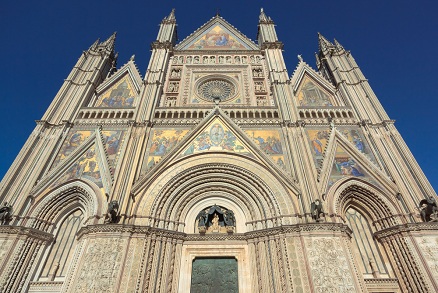
Umbria’s rich cultural, religious and historical heritage can be seen all over the region. Assisi was the birthplace and home of both St Francis and St Clare and remains one of the most visited locations in Italy. The works of artists including Perugino, Signorelli, Pinturicchio and Giotto are scattered throughout the towns and the beautiful cathedral of Orvieto is considered to be one of the greatest gothic buildings in Italy.
Comments